
A Complete Application Guide on Singapore Permanent Residency

As a country with one of the highest quality of life, obtaining a Singapore permanent residency is increasingly sought after. From infrastructure to safety, everything in Singapore is well-established and reliable, making it the most sovereign country in the region.
With that said, obtaining a PR might not be as easy and straightforward. One misstep and you may be dealing with rejections and re-applications—something many applicants go through every year. To avoid mishaps, it’s important to have a thorough understanding of the process.
Here’s everything you need to know: Who Is Eligible for Singapore Permanent Residency?
Before getting into the application process, the first step is understanding whether you are eligible to apply at all. Singapore offers several pathways to obtain a PR, each catering to different profiles.
The most common route is through the Professionals, Technical Personnel and Skilled Workers (PTS) Scheme. This scheme is designed for foreigners who are already working in Singapore on passes such as the Employment Pass (EP) or S Pass.
This is the most straightforward path for individuals who have been contributing to Singapore’s workforce and economy. Other possible categories include:
Category | Who It’s For |
Family Ties | Spouses and children of Singapore citizens or PR holders |
Student Route | Student Pass holders who have studied in Singapore and meet specific criteria |
Investor Route | High-net-worth individuals applying through the Global Investor Programme (GIP) |
Special Talent | Individuals recognised under the Foreign Artistic Talent Scheme |
Each scheme has its own set of PR eligibility criteria, so it’s essential to know which category best suits your background before submitting an application.Key
Requirements for Singapore Permanent Residency

A strong PR application is built on proper documentation. This is crucial, as missing or incomplete documents may cause delays, affecting your application outcome.
On top of that, authorities do not reveal specific reasons for rejections, making proper documentation even more important . Here are some of the most important items required:
Valid Passport and Immigration Pass: Your passport is your main form of identification, while your immigration pass confirms your legal status in Singapore. These documents show that you are lawfully residing in the country and eligible for PR.
Proof of Employment and Income: This includes your employment contract, recent payslips and a letter from your employer. These documents help verify your job stability and contribution to the economy.
Educational Certificates: Your academic qualification provides insights into your skills and professional background. Higher and relevant qualifications can help support a stronger profile.
Marriage Certificates (If Applying With a Spouse): A marriage certificate is required to prove the relationship between you and your spouse. This ensures that family-based applications are legitimate and properly documented.
Birth Certificates (If Applying for Children): Birth certificates must be provided for applicants that include children in their application. This confirms parent-child relationships and allows authorities to process dependent applications accordingly.
Income Tax Notice of Assessment (NOA): Your NOA records show your declared income and tax contributions in Singapore. Submitting several years of NOA statements demonstrates financial stability and transparency.
Evidence of CPF Contributions: Proof of regular CPF contributions is a strong indicator of commitment to Singapore. It shows that you are actively participating in the national social security system and planning for long-term residence in the country.
Singapore Permanent Residency Application Process

All PR applications today are submitted through an online system. This portal allows applicants to upload their documents and track the status of their submission. The typical steps include:
Create an Online Profile: The first step is to register an account on the portal. The profile will also serve as a dashboard where all information, forms and updates are stored.
Select the Appropriate Scheme: Once your profile is ready, you’ll need to choose the correct PR scheme based on your eligibility. Choosing the wrong category can lead to unnecessary complications or even rejection.
Fill In Personal and Employment Details: After selecting your scheme, you’ll be required to complete a detailed form. This includes your personal details, education background and employment history to name a few.
Upload the Required Documents: Next, you’ll need to upload all the necessary documents. This includes your passport, educational certificates, payslips and income tax to name a few.
Pay the Application Fee: After everything has been filled and uploaded, you’ll be required to pay the application fee. This payment officially submits your application for a review, so take time to double-check all details before proceeding.
Waiting Process: Once submitted, the waiting period begins. Authorities will carefully assess your profile, which usually takes a few months.
Benefits of Singapore Permanent Residency

Many people wonder why Singapore PR status is so valued. The truth is, it comes with many advantages that can improve long term prospects in the country. Some key benefits of Singapore PR include:
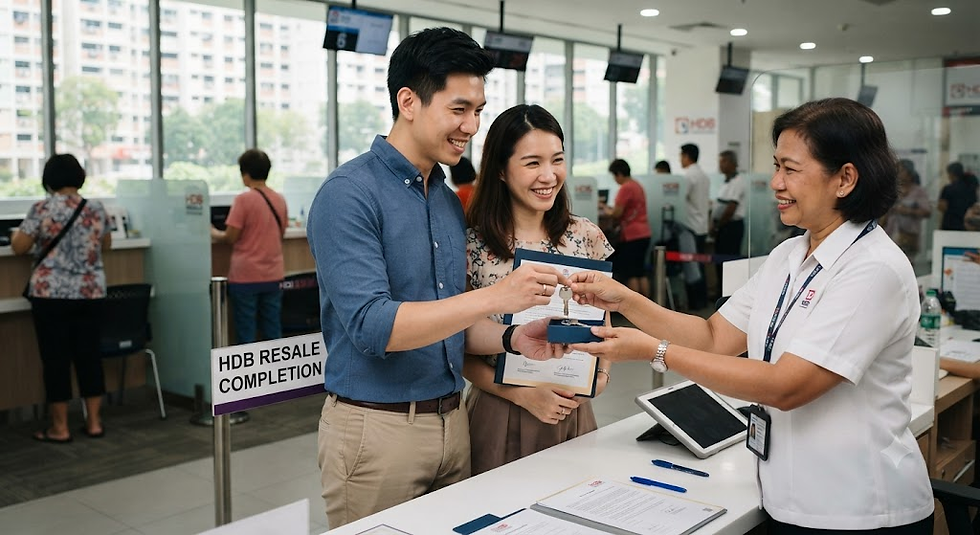
Eligibility to purchase HDB housing
Access to the Central Provident Fund (CPF) system
Greater job stability and career flexibility
Improved access to local education
Easier entry and exit from Singapore with a Re-Entry Permit (REP)
Eligibility for certain healthcare subsidies
Pathway towards eventual Singapore citizenship
For families, PR status also provides more security when applying for passes for dependants such as spouses or children.
Obligations to Be Aware Of
While PR status brings many perks, it also comes with responsibilities. One major consideration is National Service (NS) obligation. Male PR’s who obtain status at a young age must serve NS when they reach the eligible age.
In addition, PR holders must renew their Re-Entry Permit (REP) periodically to maintain the ability to work and live in Singapore. Failure to do so can result in the loss of your PR status.
Understanding these obligations beforehand will help you make an informed decision about whether PR is the right long-term choice.
What Happens If Your Application Is Rejected?

Unfortunately, not every application is successful. PR application rejection is fairly common, with some applicants trying up to 12 times over the span of a decade! Some common reasons for PR rejection include:
Insufficient time spent working in Singapore
Incomplete documentation
Low income level
Weak employment profile
Poor integration into Singapore society
If your application is unsuccessful, you may submit a PR appeal process with updated documents or improved circumstances. However, appeals should only be made when there is new and substantial information to support your case.
Many applicants choose to apply after strengthening their profile. This includes gaining a higher salary, longer employment history or additional qualifications.
Tips to Increase Your Chances of Getting a Singapore Permanent Residency
While there is not guaranteed formula, there are ways to improve your profile and demonstrate commitment to Singapore:
Maintain stable, long-term employment
Show consistent salary growth
Make regular CPF contributions
Build a strong track record of tax payments
Contribute to the local community
Apply together with immediate family members when possible
These factors all help show authorities that you intend to settle in Singapore for the long run, increasing your overall chances of success.
PR vs Citizenship: What's the Difference?

Many applicants are unsure whether they should remain as a PR or eventually convert to citizenship. Here’s a comparison to give you a rundown:
Area of Comparison | Singapore Permanent Residency | Singapore Citizen |
Right to Live in Singapore | Can live and work in Singapore with a valid Re-Entry Permit (REP) | Full and permanent right to reside |
Voting Rights | Not eligible to vote | Eligible to vote in elections |
National Service | Mandatory for second-generation male PRs | Mandatory for all eligible male citizens |
CPF Contribution | Required for working PRs | Required for working citizens |
Housing Benefits | Eligible to purchase resale HDB flats | Eligible for new HDB flats and higher grants |
Healthcare Subsidies | Partial subsidies | Higher level of government subsidies |
In simple terms, PR-status is a long-term residency privilege, while citizenship is a full national membership with greater benefits. For foreigners, obtaining a PR is the first major step. This allows them to settle down and build a career before choosing citizenship.
How Heritage Immigration Can Help With Your Singapore Permanent Residency

We’ve done our best to break the process down as simply as possible. Nevertheless, hiring professionals can help you prepare a complete and well-organised PR application. We have the experience, knowledge and resources to guide you through every step of the process.
Ultimately, you can forget all the tedious paperwork and focus on what really matters—strengthetning your position as a future permanent resident!
Visit hscimmigration.com or contact us to find out more!


Comments